Type 2 diabetes happens when the body cannot use insulin properly, so sugar builds up in the blood. It develops slowly, and many people have it for years without knowing. The encouraging news: healthy lifestyle changes can prevent or delay it in many people.
Key takeaways
- Know the early warning signs.
- Get your blood sugar tested if you are at risk.
- Diet, activity and weight control make a big difference.
Early warning signs
- Feeling very thirsty and urinating often
- Tiredness and low energy
- Blurred vision
- Cuts and wounds that heal slowly
- Tingling or numbness in hands or feet
- Frequent infections
Who is at higher risk?
- Age over 35–40
- Overweight, especially around the waist
- A parent or sibling with diabetes
- Low physical activity
- History of diabetes in pregnancy
- High blood pressure or cholesterol
Understanding blood sugar tests
| Test | Normal | Prediabetes | Diabetes |
|---|---|---|---|
| Fasting blood sugar | Below 100 mg/dL | 100–125 mg/dL | 126 mg/dL or higher |
| HbA1c | Below 5.7% | 5.7–6.4% | 6.5% or higher |
Healthy eating tips
- Choose whole grains instead of white rice, white bread and maida
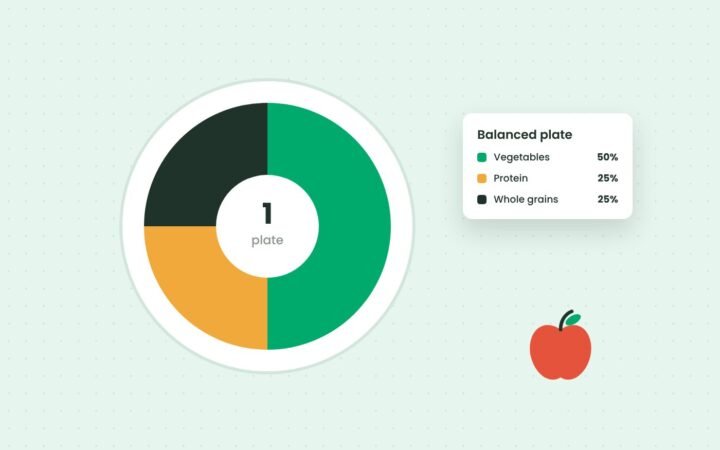
- Fill half your plate with non-starchy vegetables
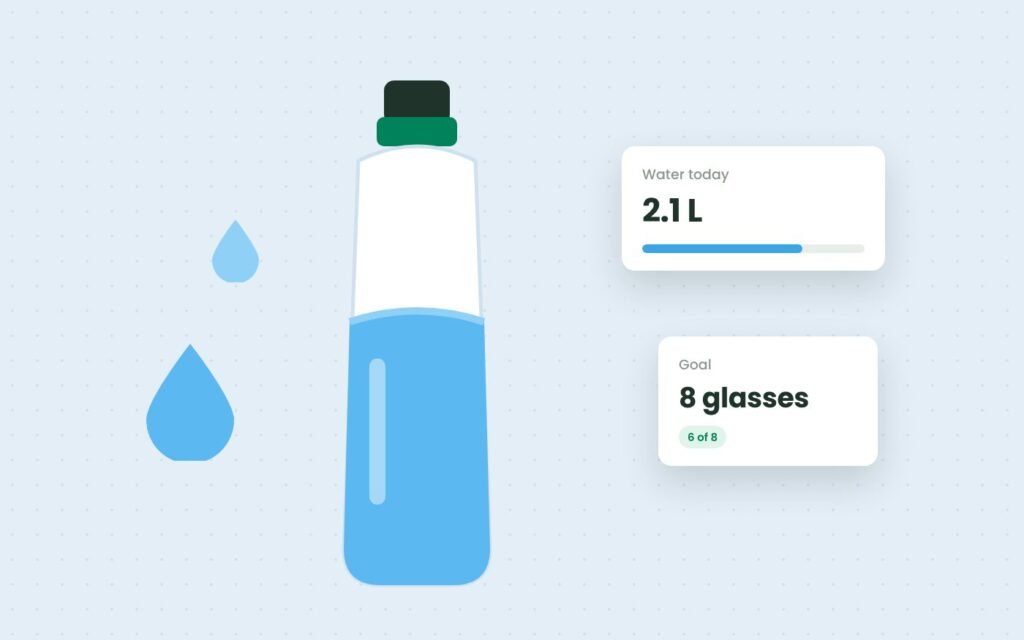
- Avoid sugary drinks, sweets and fruit juices
- Eat whole fruit in sensible portions
- Include protein and fibre at every meal to slow sugar spikes
Tip: A 10–15 minute walk after meals helps your muscles use sugar and lowers blood sugar spikes.
Note: This article is for general information only and is not a substitute for professional medical advice. Please talk to your doctor about your own health.