Crash diets promise fast results, but most of the weight comes back. Healthy weight loss is slower — around 0.5 to 1 kg per week — but it lasts because it is built on habits you can keep.
Key takeaways
- Aim for a small, steady calorie deficit.
- Fill up on protein, fibre and vegetables.
- Combine diet with daily movement and good sleep.
Step 1: Set a realistic goal
Losing 5–10% of your body weight already improves blood pressure, blood sugar and cholesterol. Start there instead of chasing a “perfect” number.
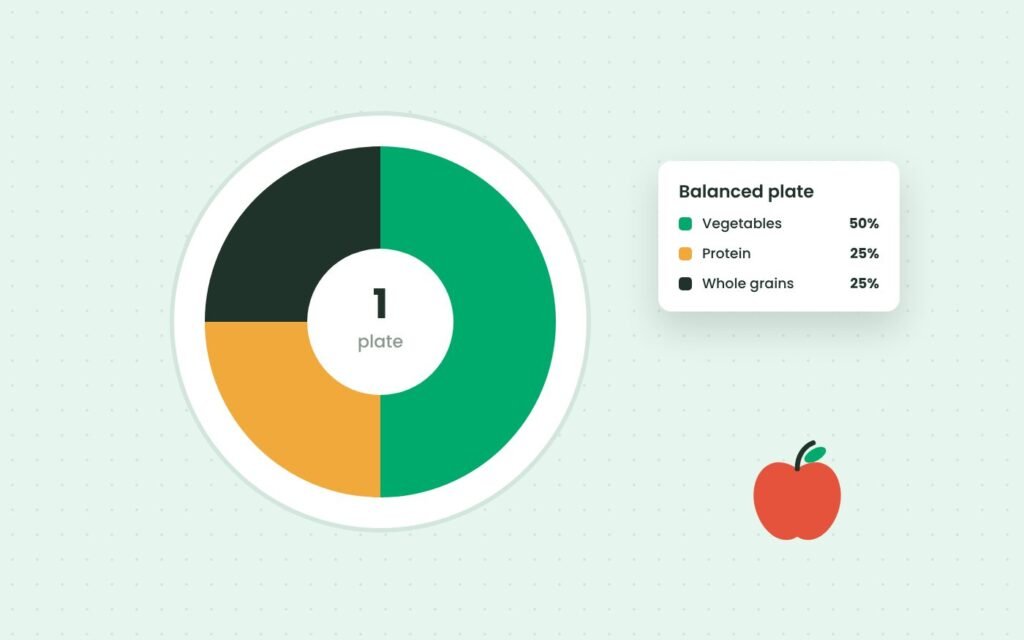
Step 2: Build a balanced plate
- Half the plate: vegetables or salad
- A quarter: lean protein (chicken, fish, eggs, lentils)
- A quarter: whole grains (brown rice, whole-wheat roti, oats)
- A little healthy fat: olive oil, nuts or seeds
Step 3: Cut liquid calories
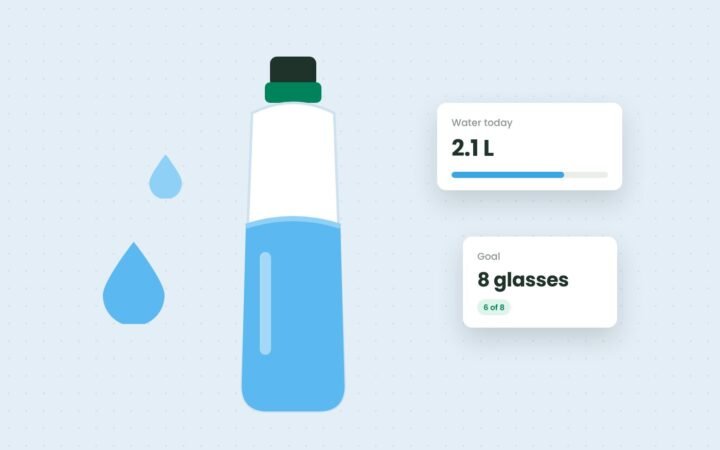
Sugary drinks, juices and sweetened tea add a lot of calories without filling you up. Switching to water is one of the easiest changes you can make.
Step 4: Move more
Combine walking (aim for 7,000–10,000 steps a day) with two or three short strength sessions per week to protect your muscle while you lose fat.
Common mistakes
- Skipping meals and overeating later
- Cutting out entire food groups
- Weighing yourself several times a day
- Expecting a straight line — weight naturally goes up and down
Tip: Eat slowly and stop when you are about 80% full. It takes around 20 minutes for your brain to register fullness.
Note: This article is for general information only and is not a substitute for professional medical advice. Please talk to your doctor about your own health.